
Buy, Sell, and Trade in the Financial Markets: A Beginner’s Guide to Smart Investing
Other Post
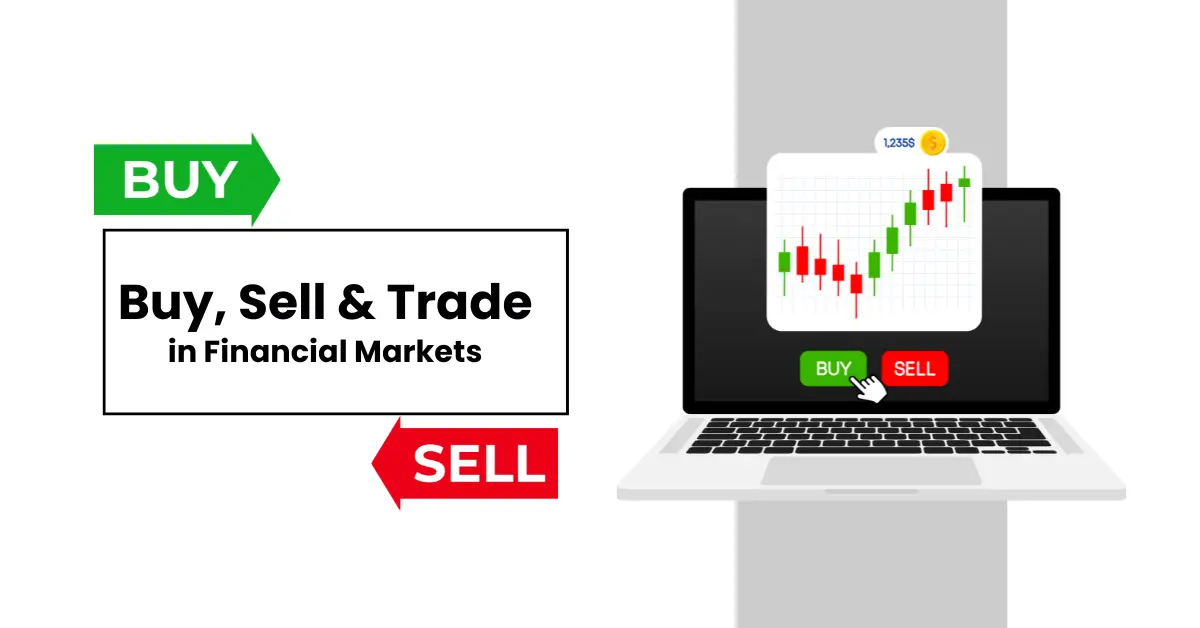
Buy, sell, and trade are the words that form the basis of any market action in the world of finance and explain where to buy and how markets function.
Regardless of whether it is stocks, currencies, or cryptocurrencies, all investors or traders employ these activities such as buy&sell trade, selling and buying, and trade and sell to generate profits or mitigate risks. What do these terms imply and how do they operate in real life trading?
When you buy, you are betting that the value of something will increase in the future. You sell when you believe it is the appropriate time to make profits or reduce losses, including strategies like sell and sell short. Trading involves its buying and selling process, sometimes referred to as buy sell buy, to exploit the price changes in the market.
The most important thing in making wise financial decisions is to know when and how to buy, sell or trade, including understanding buys and sells and even the opposite of trading, which is holding without action. Such activities are not restricted to professionals only, but anyone who has access to a trading platform can begin. However, with the appropriate knowledge and tools, it makes a huge difference.
We want to simplify financial concepts such as this at MarketInvestopedia. This blog will guide you through the process of buy, sell and trade, including bye sale trade concepts often searched by beginners, in various financial markets and what you can do to trade with more confidence.
How Buying, Selling, and Trading Works in Different Markets
Buy, sell, and trade are simple words, but their definition and application can vary according to the financial market you are operating in. When trading stocks, currencies, or cryptocurrencies, it is always good to know where to buy, when to sell, and how selling and buying works in each market before you start trading.
A quick glance
A buy trade is when you are buying an asset with the hope that its price will increase. A sell trade is when you are selling an asset, hoping that the price will decrease or you are taking profit.
In a trading strategy, buy refers to taking a position in anticipation of an increase in price. Sell is the act of closing or entering a trade with the anticipation of a price decline.
New traders can purchase and sell trades through a reputable trading platform, pick an asset, decide the size of the trade, and either buy or sell an asset depending on their analysis.
On simple chart analysis, beginners should buy when prices are low or indicate an upward trend and sell when prices are high or indicate a downward trend.
Stock Market
The stock market enables you to purchase and sell shares of listed companies. By purchasing a stock, you are betting on the future of the company. When the price of the stock increases and you sell at a higher price, you make money. Stock market trading may be short-term (day trading or swing trading) or long-term (investing), involving frequent buys and sells.
As an example, you purchase Apple shares at 150 and sell them at 170, which means you make 20 dollars per share. But prices do not always increase. This is the reason why traders also employ such strategies as placing stop-loss orders to control their risks, especially when choosing to trade and sell within short time frames.
Forex Market
The foreign exchange (Forex) market is the biggest and most liquid financial market globally. It entails purchasing and selling of currency pairs such as EUR/USD or GBP/JPY. When you trade forex, you are always buying one currency and selling another simultaneously, which reflects constant selling and buying.
In case you believe that the euro will appreciate against the dollar, you would purchase EUR/USD. In case it appreciates, you can sell to realize profit or even apply sell and sell short strategies. Forex is very volatile and is affected by world economic events, central bank decisions and news and is therefore exciting but risky.
Crypto Market
The cryptocurrency market is where you buy and sell digital currencies in the form of Bitcoin, Ethereum, or more recent altcoins. These are decentralized assets that are available 24/7 and rely heavily on buy&sell trade activity. The prices of crypto are dynamic, and they present both great opportunities and risks.
You are able to purchase crypto when the prices are low and sell when the market is rallying. There are also traders who engage in scalping (trading within minutes or hours) and those who hold long term, which many consider the opposite of trading. To enable traders to make quick decisions in this dynamic market, a lot of crypto exchanges provide tools such as charting, leverage, and limit orders.
Trading Platforms and Brokers
In each of these markets, you must have access to a broker or trading platform to execute buy sell buy strategies. These platforms give you an opportunity to make orders, keep track of price charts and manage your positions. Some of the most popular ones are MetaTrader or Beirman Capital (forex), Robinhood or Zerodha (stocks) and Binance or Coinbase (crypto).
The majority of platforms have become user-friendly and provide live charts, news, and educational tools. Demo accounts are also available to beginners who want to learn where to buy, how to sell, and practice buys and sells without losing money.
Although buy, sell, and trade is the essence of any financial market, the regulations, risks, and tactics differ across markets. Learning the fundamentals of how each market operates will enable you to trade wiser and make better decisions as time goes by.
Key Strategies Behind Buy, Sell, and Trade Decisions
The difference between a novice and a smart trader is knowing when to buy, sell, or trade, including correct trade and sell timing. You do not simply press buttons and hope that something will work out, good trading is about having a plan and applying the right strategies.
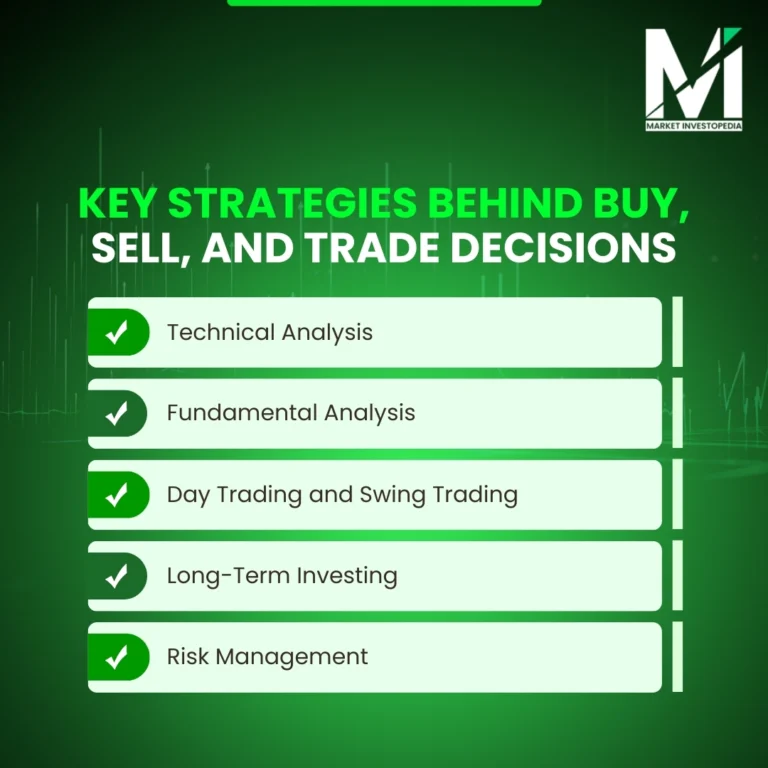
1. Technical Analysis
This is the analysis of price charts, trends and patterns. Moving averages, support and resistance, RSI and candlestick patterns are some of the tools that traders use to determine when to enter or exit a trade, guiding buy&sell trade decisions.
As an example, when a stock or currency is close to a support level, traders can purchase in anticipation of a price rise. They can sell in case it is near resistance, creating repeated buys and sells.
2. Fundamental Analysis
In this case, traders consider real life events that may influence the market. This may be company earnings, economic data, or interest rate decisions in the stock market. In forex, it is usually central bank news or geopolitical news.
When a country releases good economic figures, traders may purchase the currency hoping that it will appreciate. Conversely, poor performance may cause selling and sometimes sell and sell short behavior.
3. Day Trading and Swing Trading
These are short term strategies. Day traders buy and sell on the same day, while swing traders keep trades for a few days or weeks. Both rely heavily on buy sell buy cycles.
Both of these approaches demand discipline, risk management and timing. Gains can be erased by a single bad move without a stop-loss.
4. Long-Term Investing
This is where you purchase and hold assets over months or even years hoping that they will grow steadily over time. Many investors see this as the opposite of trading, yet it still involves understanding where to buy.
5. Risk Management
There is no strategy that is always effective. This is why you should not risk too much on a single trade, regardless of whether you are selling and buying stocks, forex, or crypto
Risks and Mistakes in Buy, Sell, and Trade Activities
The financial markets are exciting to trade in, but they are risky. Most novices lose money due to lack of knowledge on how to deal with these risks or misunderstanding bye sale trade actions.
1. Emotional Trading
Allowing emotions to take control is one of the greatest errors. Poor decisions are usually made out of greed when profits are being made or fear when losses are being incurred. Traders often make wrong buys and sells, purchasing at the top or selling too early. You should remain composed and follow your trading strategy.
2. Overtrading
Overtrading or making trades without any obvious reasons may result in rapid losses. Some traders feel the need to trade and sell continuously, but quality matters more than quantity.
3. Using Too Much Leverage
Leverage enables you to trade using more money than you possess. Although it may raise profits, it also raises losses. Many beginners enter buy&sell trade positions with excessive leverage and wipe out their accounts quickly.
4. Ignoring Market News
Markets respond to news, reports and events. Overlooking such updates as interest rate decisions or inflation data can turn a planned buy sell buy setup into a loss.
5. Trading Without Stop-Loss
A stop-loss is an automatic closure of your trade when it reaches a specific level of loss. Trading without it is dangerous, especially when actively selling and buying volatile assets.
Tools, Platforms, and Apps to Buy, Sell, and Trade Effectively
You cannot just know how to buy, sell and trade in the financial markets, you require the right tools. Whether you are placing buys and sells, or learning where to buy, the right platform matters.
1. International Online Trading Platforms
MetaTrader 4 (MT4) and MetaTrader 5 (MT5), cTrader, and TradingView are widely used platforms that support professional buy&sell trade execution with advanced tools.
2. Best Trading Apps for Global Markets
Apps such as eToro, Binance, Coinbase, IG Trading and SaxoTraderGO allow traders to manage trade and sell decisions on the go with real-time alerts.
3. Useful Tools for Smart Trading
Economic calendars, sentiment indicators, position size calculators, and scanners help traders improve buy sell buy accuracy and reduce guesswork.
4. Choosing a Reliable Broker
A reliable broker ensures smooth selling and buying, fast execution, and access to global markets with proper regulation and security.
Conclusion
Learning how to buy, sell, and trade is the initial step towards being able to move around the financial markets with confidence and master buy&sell trade behavior. Using the correct knowledge, strategies, and tools, anyone can start trading wisely, be it in forex, crypto, or stocks. Market Investopedia is a place where we make financial concepts simple and keep you updated at every stage of your trading process. You can contact us at any time in case you have questions or need advice. The first step to trading smart is learning, and you are already on the right track.
Category :
Share :