
Countries Ditch Dollar as Digital Currencies Take the Stage
A major power shift is underway in the world of money. More countries are moving away from the US dollar for global trade and reserves, a trend known as dedollarization.
The move is led by China, Russia, Brazil, and other BRICS nations, which are striking trade deals using their own currencies. Analysts say this is driven by growing geopolitical tensions, US sanctions, and a desire for greater financial independence.
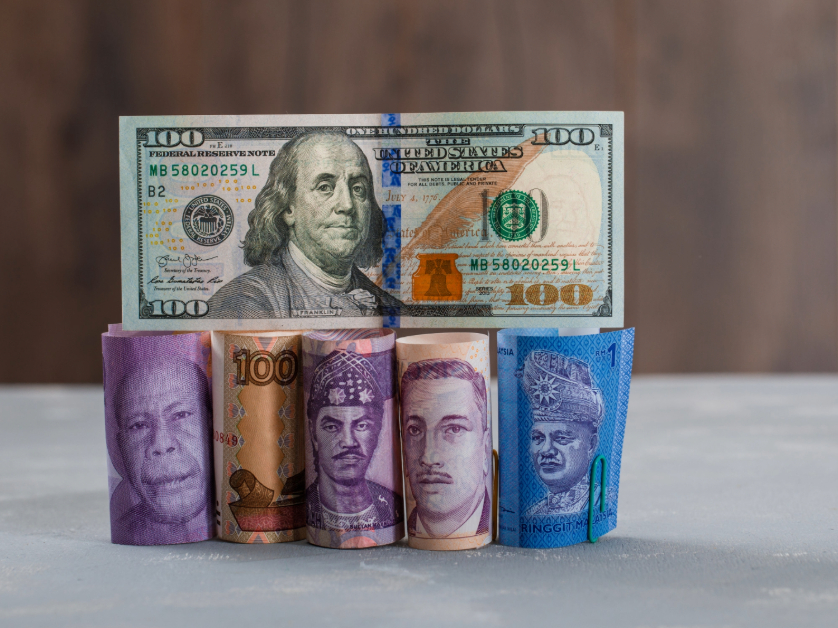
In recent months, several oil and commodity transactions have been settled in Chinese yuan (CNY) and Russian ruble instead of USD—a move that was unthinkable just a decade ago.
Digital Money Revolution
Adding fuel to the trend is the rapid rise of Central Bank Digital Currencies (CBDCs)—state-backed digital versions of national currencies. China’s digital yuan (e-CNY) is already in use for cross-border trade trials, while Europe is advancing its digital euro project. India, Nigeria, and several Gulf states are also testing their own CBDCs.
These digital currencies allow instant, low-cost payments between countries without routing through the dollar, making them attractive for nations seeking to bypass the US financial system.
Forex Market on Alert
Currency traders are watching closely. If dedollarization continues, demand for the US dollar could fall, altering its decades-long dominance in the forex market.
More direct currency pairs—like CNY-BRL or EUR-INR—could emerge, creating fresh trading opportunities but also adding volatility. Experts warn that this transition could shake up global currency flows for years to come.
Impact: A weaker role for the dollar could strengthen emerging market currencies and boost regional trade, but it may also bring unpredictable swings in forex rates.