
China’s Auto Industry Faces Crisis as EV Demand Slows
China’s automotive sector, once a global leader in electric vehicle (EV) production, is facing a serious crisis. Major companies like BYD, Geely, and Nio are struggling with overcapacity, price wars, and weakening domestic demand.
The slowdown comes as Chinese consumers rethink car purchases amid economic uncertainty and rising living costs. Automakers are offering deep discounts and aggressive promotions, particularly on electric vehicles, to maintain sales volumes. However, these moves are cutting profit margins and straining company finances.
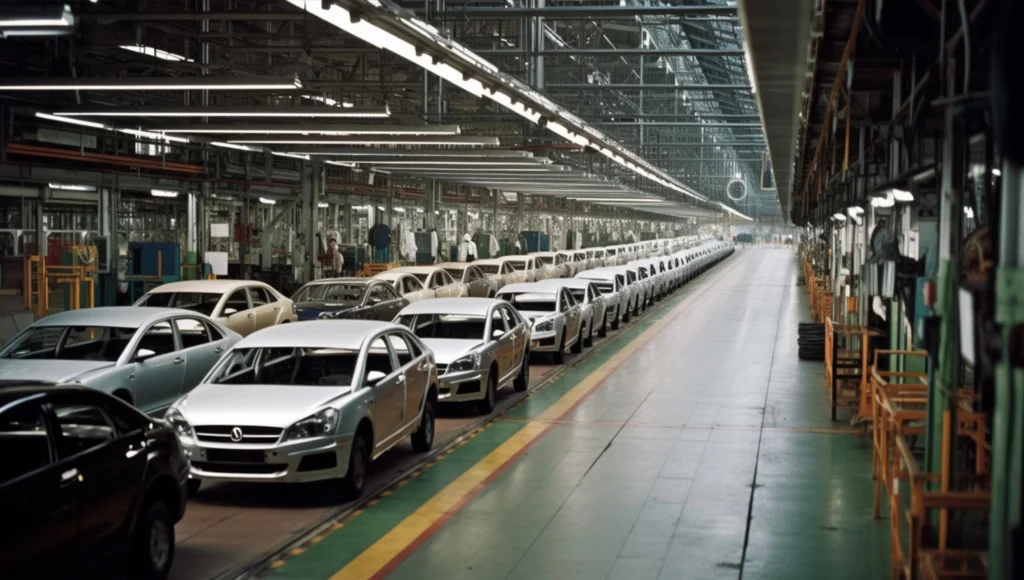
Industry experts warn that continued overproduction could trigger a prolonged downturn in the sector. Reports show that some manufacturers are producing far more vehicles than the market can absorb, leading to unsold inventory piling up across showrooms in major cities.
Even industry giants like BYD, which was once celebrated for its rapid EV expansion, have reported a slowdown in both sales and production output. This has sparked concerns among investors about the long-term sustainability of Chinese automakers and the potential impact on the global EV supply chain.
The crisis is also likely to affect global commodity markets, especially lithium, cobalt, and nickel, as demand for EV batteries slows. Analysts suggest that without government intervention or a revival in consumer demand, the Chinese auto industry could face further declines in revenue, profits, and employment.
This sector downturn has sent ripples across global markets, prompting investors to closely watch Chinese automotive stocks and related commodities for potential volatility.
Impact:
Weakness in China’s auto sector may reduce demand for AUD and CAD due to lower commodity exports, while safe-haven USD and JPY could see temporary gains.